Japan Raids Big Ice Cream: The Six Cent Syndicate
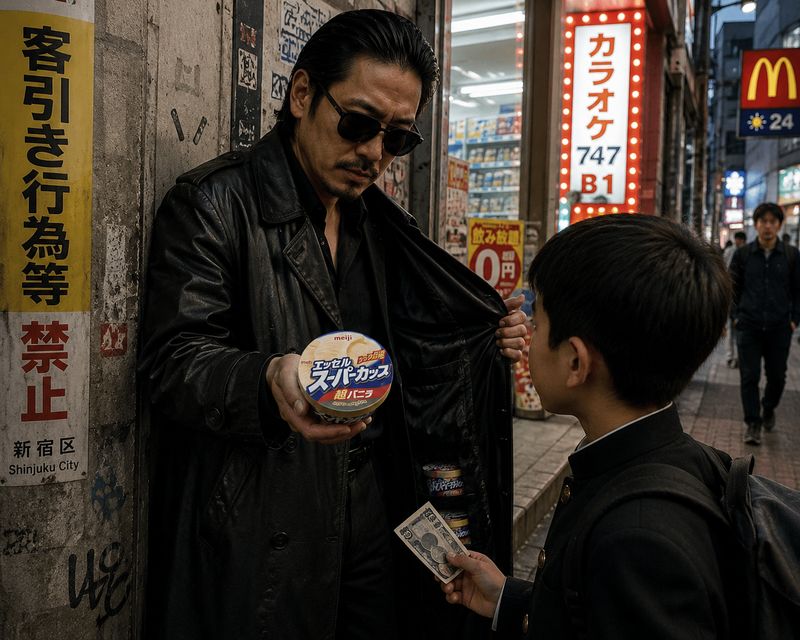
Japan’s ice cream corporations are facing an antitrust investigation over allegations of price fixing. The scandal has sparked polite apologies about the micro price hikes.
TOKYO — Move over Big Tobacco and the sugar-drenched behemoths of the American food lobby. A new evil corporate syndicate has emerged, and it is apparently powered by frozen desserts and profound humility.
This week, the Japan Fair Trade Commission (JFTC) sent shockwaves through the global economy by conducting high-profile raids on six of Japan’s most formidable frozen-dessert empires, including Meiji, Lotte, and Ezaki Glico. The crime? Operating a highly coordinated, backroom price-fixing cartel. These dairy barons allegedly weaponized secret meetings and clandestine emails in what was likely the most polite conspiracy in human history.
Agents uncovered a scheme so ruthless, so devastating, so breathtakingly anti-consumer that economists are still struggling to comprehend its full impact. Authorities have described it as a classic cartel scheme. Over several years, these out of control, cutthroat executives colluded to raise the suggested retail price of popular ice cream treats by a staggering... ten yen!
Ten yen? That’s about six cents.
That’s right. Japanese authorities launched a national antitrust investigation over an amount most Americans would lose in a couch cushion and probably decide wasn't worth digging out.
When Western corporations are caught manipulating prices, executives usually blame inflation, supply chains, solar flares, and even their own customers. In Japan, the response to an antitrust raid reads more like a formal apology delivered by a disappointed honor student.
Rather than blaming something else, Meiji issued a statement saying it “accepts with sincerity” the raid and will cooperate fully. The explanation practically bowed on its way off the page.
For Americans, there is something almost quaint about a cartel scandal centered on a nickel and a penny. It is the economic equivalent of launching a federal investigation because a friend took a french fry off your plate. As Japan heads into another record hot summer, citizens must ask themselves: Was this betrayal of public trust worth an extra six cents per ice cream?
Given how good a Meiji Essel Super Cup tastes on a 100-degree day, the answer may be yes.
Oh yeah… Keep the change.
Based on articles by Japan Today, The Washington Post, and WBAL Radio.
This week, the Japan Fair Trade Commission (JFTC) sent shockwaves through the global economy by conducting high-profile raids on six of Japan’s most formidable frozen-dessert empires, including Meiji, Lotte, and Ezaki Glico. The crime? Operating a highly coordinated, backroom price-fixing cartel. These dairy barons allegedly weaponized secret meetings and clandestine emails in what was likely the most polite conspiracy in human history.
Agents uncovered a scheme so ruthless, so devastating, so breathtakingly anti-consumer that economists are still struggling to comprehend its full impact. Authorities have described it as a classic cartel scheme. Over several years, these out of control, cutthroat executives colluded to raise the suggested retail price of popular ice cream treats by a staggering... ten yen!
Ten yen? That’s about six cents.
That’s right. Japanese authorities launched a national antitrust investigation over an amount most Americans would lose in a couch cushion and probably decide wasn't worth digging out.
When Western corporations are caught manipulating prices, executives usually blame inflation, supply chains, solar flares, and even their own customers. In Japan, the response to an antitrust raid reads more like a formal apology delivered by a disappointed honor student.
Rather than blaming something else, Meiji issued a statement saying it “accepts with sincerity” the raid and will cooperate fully. The explanation practically bowed on its way off the page.
For Americans, there is something almost quaint about a cartel scandal centered on a nickel and a penny. It is the economic equivalent of launching a federal investigation because a friend took a french fry off your plate. As Japan heads into another record hot summer, citizens must ask themselves: Was this betrayal of public trust worth an extra six cents per ice cream?
Given how good a Meiji Essel Super Cup tastes on a 100-degree day, the answer may be yes.
Oh yeah… Keep the change.
Based on articles by Japan Today, The Washington Post, and WBAL Radio.