Amazing! Mankind’s First Images From The Dark Side of The Moon
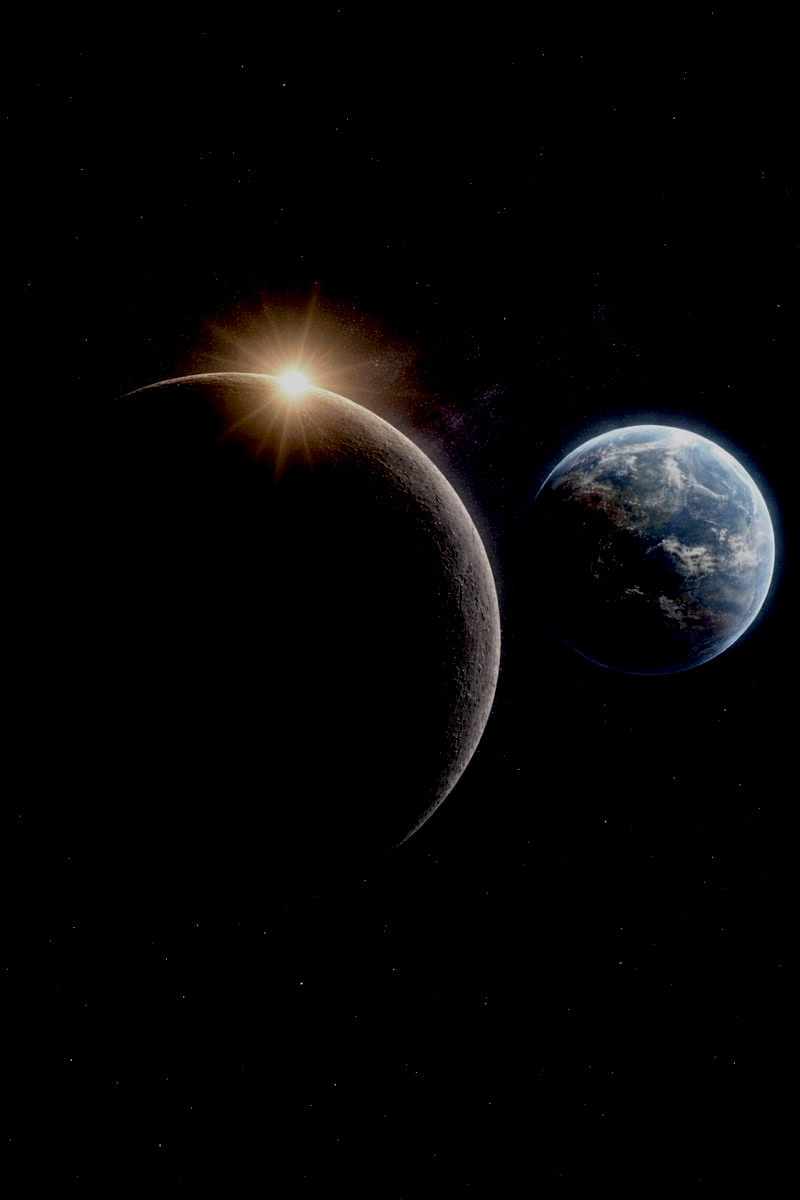
NASA Releases Historic Artemis II Photos — Humanity Responds: “Enhance?”
The Moon -- In what NASA is calling a “historic milestone for human exploration,” the crew of Artemis II has returned humanity’s first crewed images of the Moon’s far side in over half a century.
The images are, by all accounts, incredible... and dark
“We’re getting our first look at terrain humans haven’t directly observed since Apollo,” a NASA spokesperson said during a live briefing, before pausing and squinting slightly. “There’s definitely… stuff there.” To be fair, this outcome was not entirely unexpected. Despite its ominous nickname, the “dark side” isn’t actually permanently dark. According to Wikipedia, “the far side of the Moon receives sunlight just like the near side.”
“We’re getting our first look at terrain humans haven’t directly observed since Apollo,” -- NASA
As noted by Scientific American, during the Artemis II flyby, “about 20% of the far side is illuminated,” meaning astronauts would see “some features clearly while others remain in shadow.” The result is a series of images that experts are describing as “technically groundbreaking” and “visually… subtle.”
“There’s definitely… stuff there.” -- NASA
One photo appears to show a dramatic lunar landscape, or possibly a close-up of something. Another, labeled “high-resolution crater field,” has been analyzed online, with users identifying at least three rocks and what may be “a darker rock.” See Lunar Crater Field Image below.
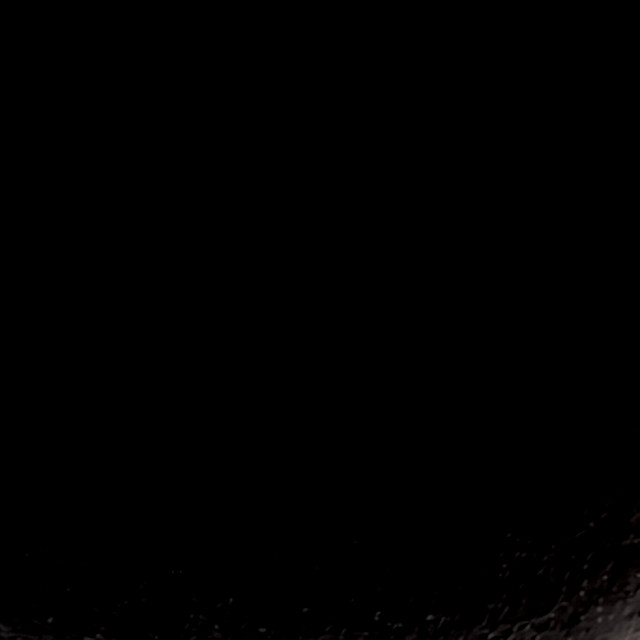
The Astronauts seem impressed. “It’s unlike anything I’ve never seen,” one crew member reportedly said. Still, scientists stress the importance of the mission. These images represent a crucial step forward in understanding the Moon’s geology, and improving the rocketship's headlights for low cosmic lighting conditions.
“It’s unlike anything I’ve never seen” -- Crew Member, Artemis II
NASA has confirmed that additional images will be released after “minor adjustments,” including brightness, contrast, and other advanced digital enhancements. Until then, humanity can take pride in this achievement: We went to the dark side of the Moon, and confirmed...
It is, kind of dark.
The images are, by all accounts, incredible... and dark
“We’re getting our first look at terrain humans haven’t directly observed since Apollo,” a NASA spokesperson said during a live briefing, before pausing and squinting slightly. “There’s definitely… stuff there.” To be fair, this outcome was not entirely unexpected. Despite its ominous nickname, the “dark side” isn’t actually permanently dark. According to Wikipedia, “the far side of the Moon receives sunlight just like the near side.”
“We’re getting our first look at terrain humans haven’t directly observed since Apollo,” -- NASA
As noted by Scientific American, during the Artemis II flyby, “about 20% of the far side is illuminated,” meaning astronauts would see “some features clearly while others remain in shadow.” The result is a series of images that experts are describing as “technically groundbreaking” and “visually… subtle.”
“There’s definitely… stuff there.” -- NASA
One photo appears to show a dramatic lunar landscape, or possibly a close-up of something. Another, labeled “high-resolution crater field,” has been analyzed online, with users identifying at least three rocks and what may be “a darker rock.” See Lunar Crater Field Image below.
The Astronauts seem impressed. “It’s unlike anything I’ve never seen,” one crew member reportedly said. Still, scientists stress the importance of the mission. These images represent a crucial step forward in understanding the Moon’s geology, and improving the rocketship's headlights for low cosmic lighting conditions.
“It’s unlike anything I’ve never seen” -- Crew Member, Artemis II
NASA has confirmed that additional images will be released after “minor adjustments,” including brightness, contrast, and other advanced digital enhancements. Until then, humanity can take pride in this achievement: We went to the dark side of the Moon, and confirmed...
It is, kind of dark.