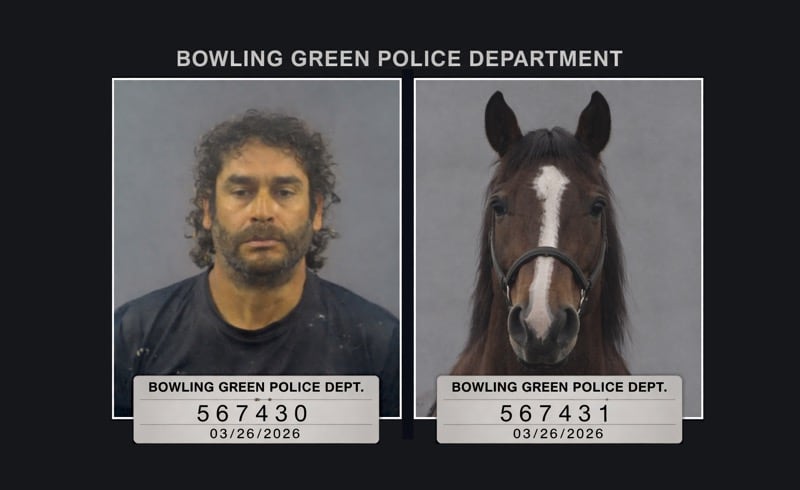
Local Man Attempts Ancient Ritual Known as “Waiting”

Study Finds Vegetables Take Longer to Grow Than People Prefer
In a bold and widely misunderstood lifestyle experiment, local man Hugh Janis has reportedly planted a tomato seed and is now “just… letting it sit there.”
Sources close to Janis confirm that after placing the seed into soil—actual soil, not an app—he added water and has since been returning to the scene daily with what experts are calling “unproductive levels of patience.”
“I think it’s broken,” Janis said on Day 3, staring at the dirt. “There’s no progress bar. No confirmation email. Nothing.”
“This feels like… a long-term relationship.”A Radical Departure from Modern Systems The act of planting a seed marks a sharp departure from the streamlined efficiency of modern food acquisition, where produce typically travels 1,500 miles, changes hands 17 times, arrives pre-washed, pre-packaged, and emotionally distant. “When I order tomatoes, I get tomatoes,” Janis explained, scrolling through his phone while standing over the soil. “This feels like… a long-term relationship.” Janis had reportedly ordered a backup set of tomatoes via delivery, citing “uncertain soil performance.” The Grocery Store Comfort Zone Janis later visited a local grocery store to “reconnect with food in its natural habitat,” where he was immediately greeted by rows of brightly packaged items engineered for convenience, consistency, and shelf stability that borders on philosophical. “I like this section,” Janis said, picking up a box of something that could legally be described as food. “It all tastes the same every time. No surprises. No risks. No… involvement.” Analysts confirm that many modern grocery staples are designed to remove variables such as seasonality, origin, and the need to ask even a single follow-up question. Janis nodded, placing several items into his cart—each containing ingredients he could not pronounce, but deeply trusted to be “generally fine.” Ancient Rhythms vs. Microwave Society Anthropologists confirm that early humans participated in a now-obsolete system known as “growing food,” which involved soil, sunlight, and a deeply inconvenient amount of time. “These processes could take weeks or even months,” one expert explained. “There was no ‘ding’ to let you know a tomato was ready. You just had to… check on it. Repeatedly. Like some kind of maniac.” By contrast, modern systems allow individuals to eat without ever witnessing a single step of how their food came to exist. “It’s not that we improved the process,” the expert added. “We just removed ourselves from it entirely.” Conclusion: Still Growing At the time of publication, the plant continues to grow at a steady, analog pace. No branding. No ingredient list. No claims. For the first time in a while, the outcome depended on the process. Not the packaging.